Post by
As a web developer at AG Marketing Solutions, I spend at least eight hours a day in front of a screen. That’s the job. But what I didn’t realize was that my screen time continued after work, following me into evenings, weekends, and family moments. My phone became an extension of my day, filled with new distractions. That realization marked a turning point; at the start of this year, I resolved to change.
Why I Chose Digital Minimalism as a Developer
On January 1st, I made a conscious decision: I was going to start choosing my digital tools more carefully and using them intentionally. As developers, we can’t just disconnect. Technology is our craft. But that doesn’t mean every moment of our lives needs to be lived through a smartphone. Digital minimalism means purposefully choosing technology that supports your goals, not distracts from them. Instead of relying on one device for everything, I began replacing my phone with single-purpose tools—some analog, some digital, but all intentional.
Here’s what that looks like in practice:
Intentional Tools That Help Reduce Screen Time
1. An Old Camera for Real Moments
I picked up a used analog camera from a thrift store. Now, when I go to events or spend time outdoors, I bring that camera instead of relying on my phone. It makes photography feel intentional again. I still use my phone for quick snapshots of my kids — but when planning photos, I use the camera. It changes how I experience the moment.
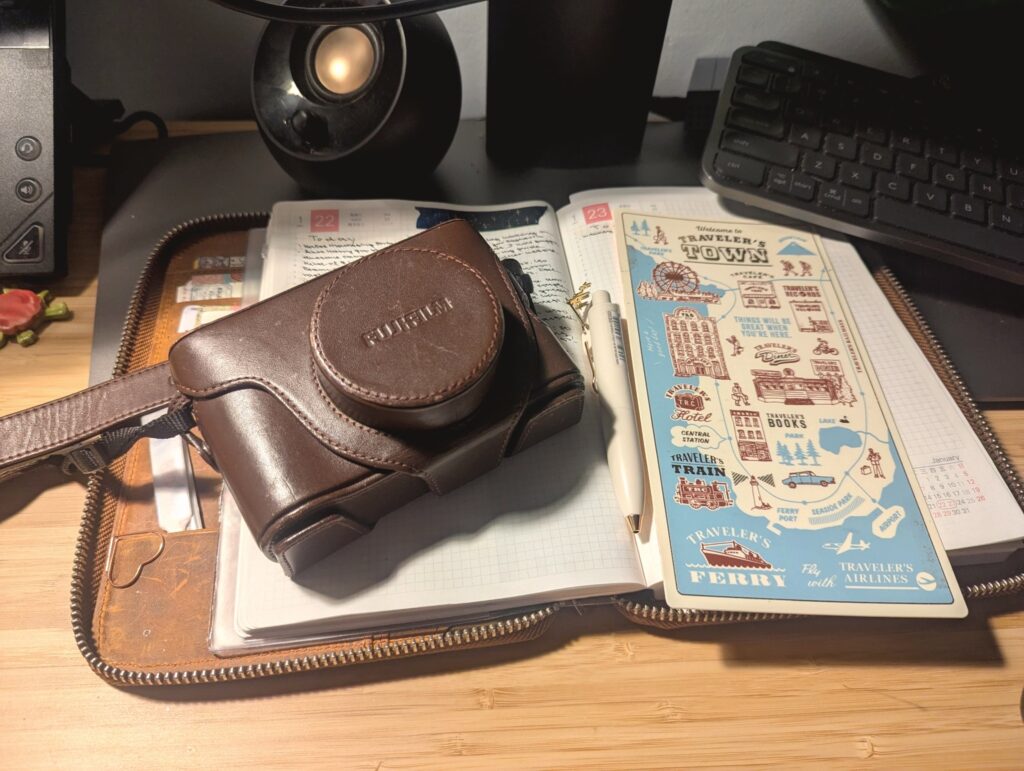
2. A Paper Planner Instead of Google Calendar
I replaced my digital calendar with a physical planner. This has been one of the biggest changes. When time becomes pages, you gain a physical sense of it. I can flip through my days, see gaps, visualize my schedule, and reflect on how I’m spending my time.
I use it for:
- Daily planning in the morning
- Notes and meetings during the day
- Reflection at night
And I bring it everywhere — work, appointments, home.
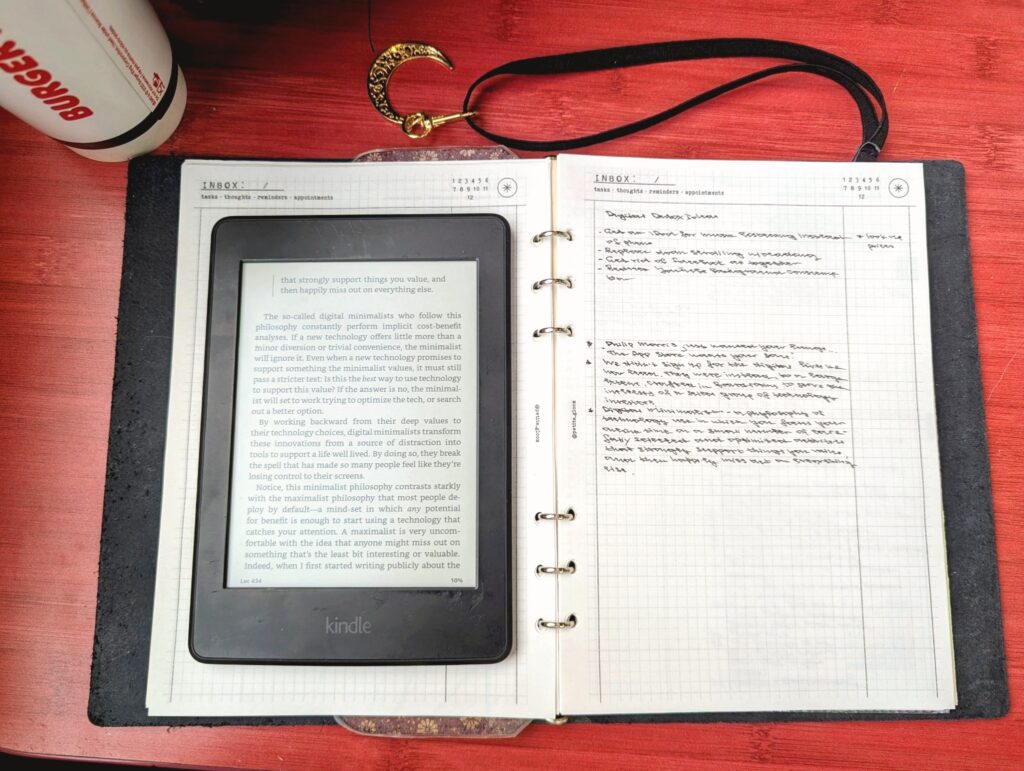
3. Reading Without Distraction
Instead of scrolling, I started reading more. I still use digital reading devices, but only those designed for reading. No notifications, social media, or app-switching. It’s a completely different experience from reading on a phone — and a much better use of my time.
4. A Dedicated Music Device
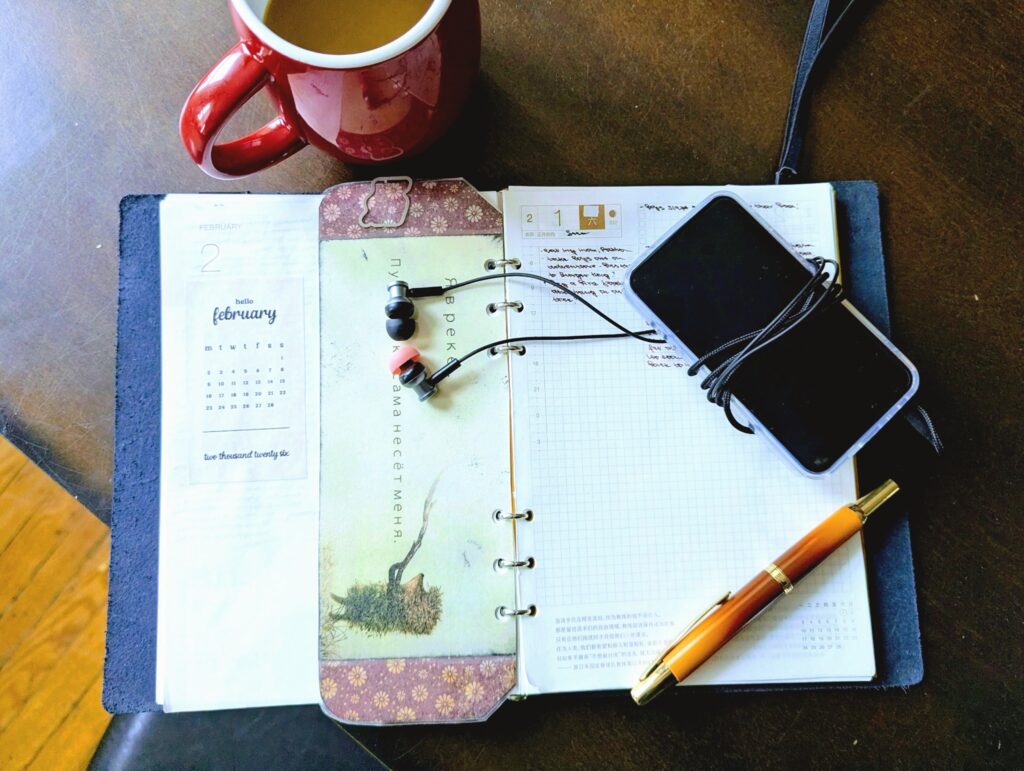
I still love music, but I don’t need my phone for it. I use a simple MP3 player for music. No notifications or interruptions, just music.
5. Letting Go of Social Media
This was the biggest shift. I removed most of my social media accounts at the start of the year. Months later, I don’t miss them — no urge to check or feeling of missing out.
I can still:
- Stay informed
- Stay in touch with people who matter
But without the constant noise and distractions.
What Changed: More Focus, Less Distraction
The results were immediate:
- I’m more present with my family
- I don’t check my phone during movie nights with my kids
- I’m more focused at work
- I don’t lose time to mindless scrolling
- I’m less exposed to negative or irrelevant content
And maybe most importantly, I got my time back. When I need a break, I don’t reach for my phone. I pick up my notebook, write, reflect, or simply pause — without falling into a doomscrolling loop.
Why Digital Minimalism Improves Developer Productivity
As a developer, focus is everything. Constant notifications, app-switching, and passive scrolling don’t just affect your personal life—they impact how you think, solve problems, and create.
Since making this shift, I’ve noticed:
- Deeper focus during coding sessions
- Fewer interruptions throughout the day
- Better mental clarity when working on complex tasks
At AG Marketing Solutions, where we build and manage digital experiences for clients, staying focused and intentional directly impacts the quality of our work. Digital minimalism has helped me show up more present — not just at home, but also in my work.
Digital Minimalism Isn’t About Quitting Technology
This isn’t about rejecting technology. As a web developer, that wouldn’t even make sense. It’s about choosing digital tools that align with your priorities and work, not using them by default. Replacing an “everything device” with tools that each serve a clear role has helped me:
- Stay focused
- Be more intentional
- Create better boundaries between work and life
Final Thoughts: A Sustainable Approach to Technology
For me, digital minimalism isn’t a trend—it’s a better way to protect my time and focus. It was about solving a real problem. When your career already requires constant screen time, the last thing you need is more of it bleeding into every part of your life.
After nearly four months, my key takeaway is clear: Being intentional with technology has given me more focus, more energy, and a healthier balance. I don’t see myself going back to old habits.