Post by

When you think about web design, you probably picture something pretty slick, right? I’m talking smooth animations, clean interfaces, scrolling like butter, and photos that pop. That’s the modern vibe. But if you’re old enough to remember, there’s a whole other scene that might pop into your head. Think dark backgrounds, neon Comic Sans text, and a crazy amount of animated gifs everywhere you look.
The evolution of web design is quite an interesting and nostalgic subject for anyone who has experienced it in real-time. From the humble beginnings of plain text and basic HTML to the current era of sleek, interactive, and visually captivating websites, it’s a testament to the power of innovation and creativity. Join me as we embark on a journey through time to uncover the pivotal milestones in the evolution of web design.
Text-Based Era (1990s):
The web design journey began in the early 1990s when the World Wide Web became publicly accessible. Websites were text-based and built using basic HTML tags. The focus was on sharing information, and design aesthetics were secondary. The limited technology and slow internet speeds of the time played a significant role in shaping this minimalistic approach.
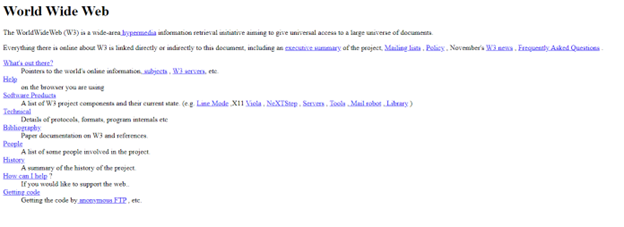
Figure 1: World Wide Web (1990s)
It is still live today! Click to see it
Table Websites & Introduction of CSS (Cascading Style Sheets):
As the internet continued to grow, designers looked for ways to enhance the visual appeal of websites. In the late 1990s, Cascading Style Sheets (CSS) emerged as a game-changer. CSS allowed designers to separate the structure of a webpage from its presentation, enabling more sophisticated layouts and styling. This marked the beginning of a more visually diverse web.
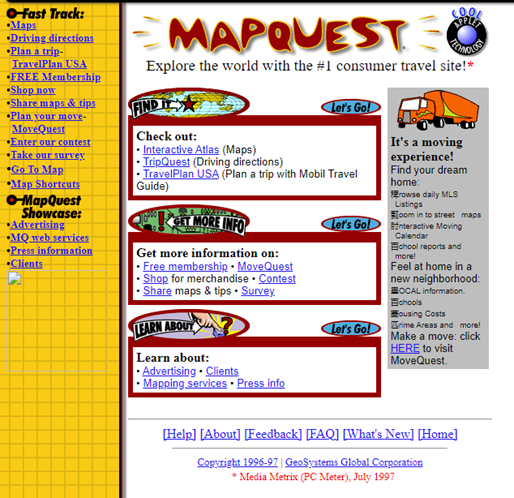
Figure 2: MapQuest – This version was live in December of 1997
Flash and Multimedia (Late 1990s to Early 2000s):
The late 1990s and early 2000s witnessed the rise of Flash, a multimedia software platform that enabled the creation of interactive and animated elements on websites. Flash allowed designers to add dynamic content, such as animations and games. However, Flash also faced criticism for its impact on page load times and accessibility issues.

Figure 3: Blockbuster – This version was live in March 2005
Web 2.0 and User-Centric Design (Mid-2000s):
The mid-2000s brought about the concept of Web 2.0, emphasizing user-generated content, collaboration, and interactive interfaces. This era saw the emergence of social media platforms and a shift towards more user-centric design. Rounded corners, gradients, and drop shadows became popular design elements, contributing to a more polished and professional look.
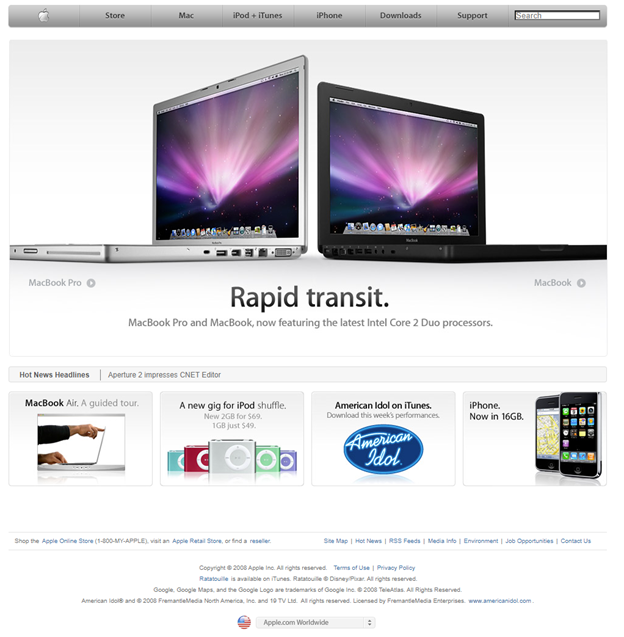
Figure 4: Apple.com circa 2005
Responsive Design (2010s):
As the use of smartphones and tablets proliferated, the need for responsive web design became evident. Responsive design ensures that websites adapt to different screen sizes, providing a seamless experience across devices. This shift marked a significant milestone in enhancing accessibility and accommodating the diverse ways users access the internet.
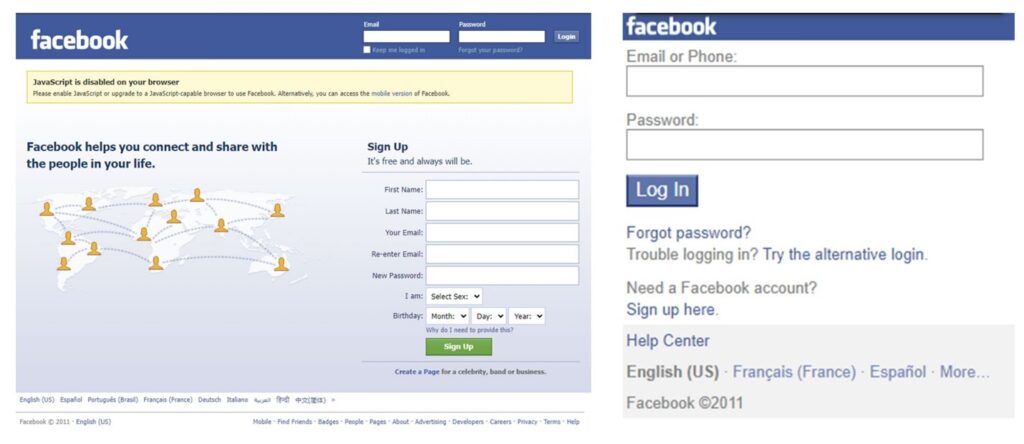
Figure 5: Facebook Desktop and mobile websites circa 2011.
Flat Design and Minimalism (Mid-2010s):
In response to the rise of mobile devices and a desire for faster loading times, flat design gained popularity. Characterized by clean lines, simple shapes, and vibrant colors, flat design embraced minimalism. This approach not only improved performance but also contributed to a more user-friendly and aesthetically pleasing experience.
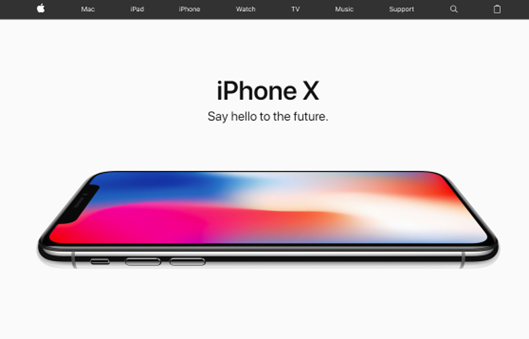
Figure 6: Apple.com circa 2017
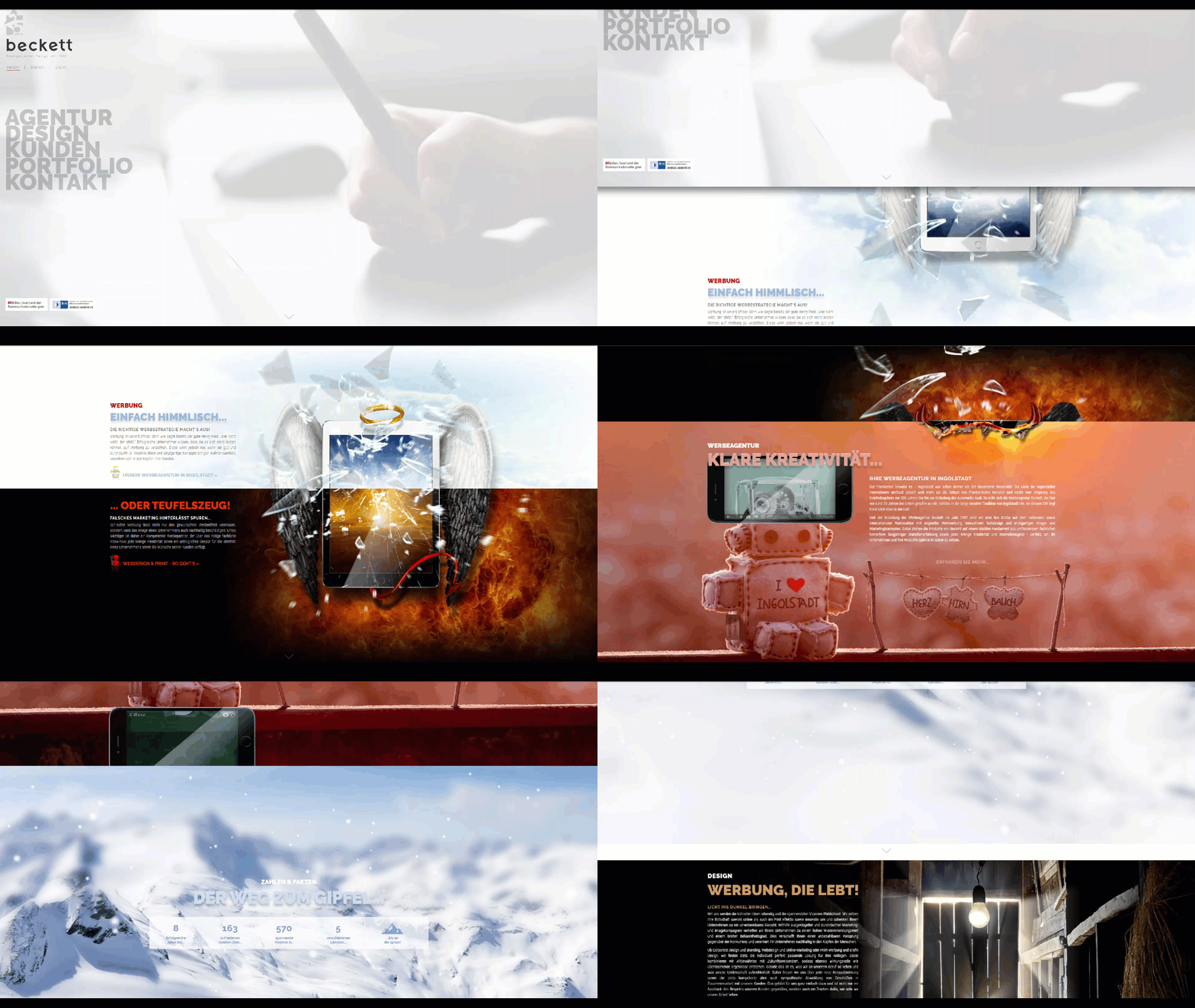
Parallax Scrolling and Storytelling (Late 2010s):
Web design continued to evolve with the incorporation of parallax scrolling and storytelling elements. Parallax scrolling creates a sense of depth by moving different layers of a webpage at different speeds. This technique, combined with compelling storytelling, enriched the user experience and made websites more engaging.
Current Trends (2020s and Beyond):
In the present day, web design is characterized by a blend of various trends, including bold typography, micro-interactions, dark mode, and immersive multimedia experiences. Advances in technology, such as artificial intelligence and machine learning, are also influencing the way websites are designed and personalized for users.
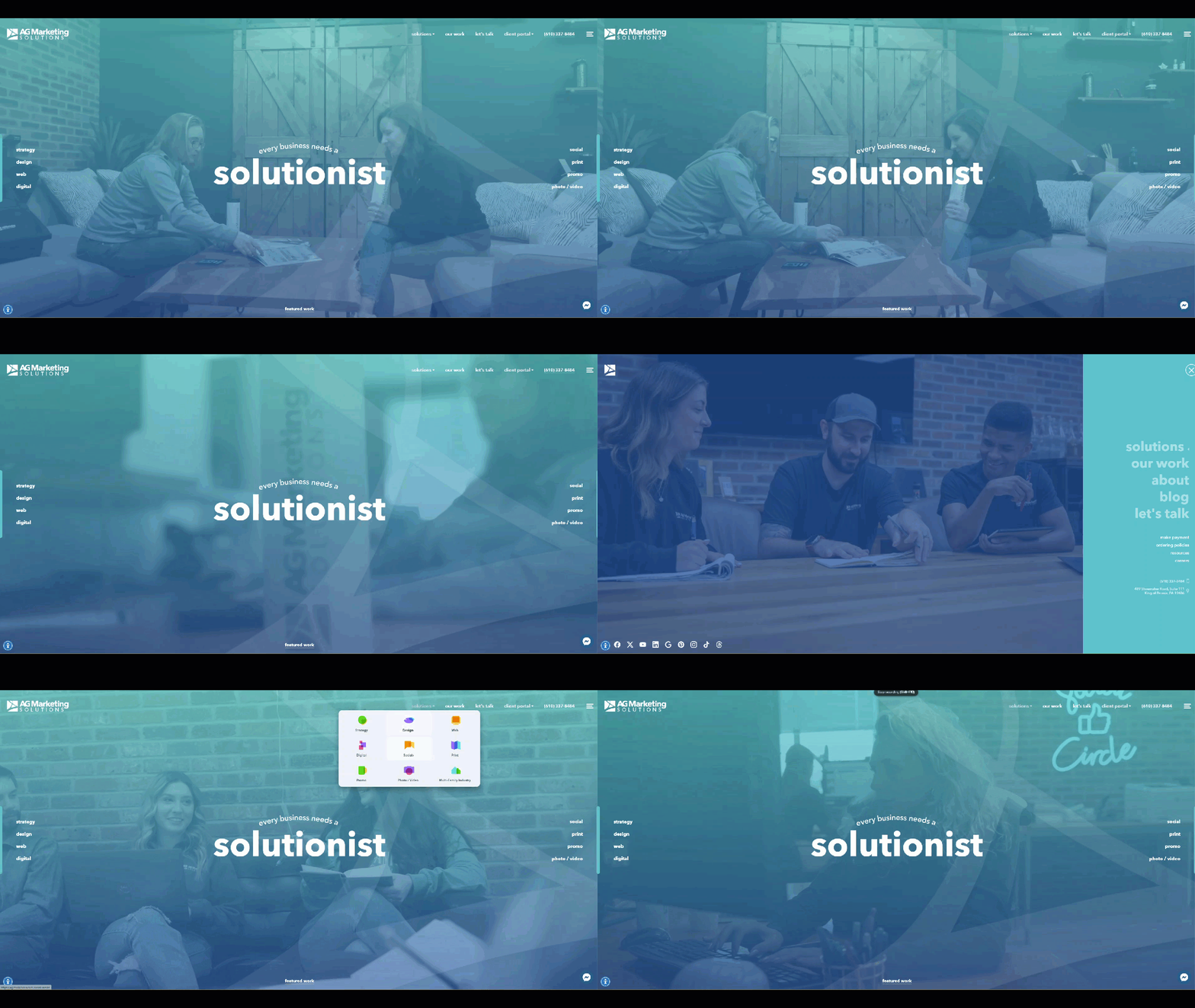
Figure 8: AGMSolutions.com 2024
Conclusion
The evolution of web design is a dynamic and ongoing process. From the early days of plain text to the current era of immersive and interactive experiences, designers continue to push boundaries and redefine the possibilities of the internet. As technology advances and user expectations evolve, the future of web design holds exciting prospects, promising even more innovation and creativity in the digital world!