Post by
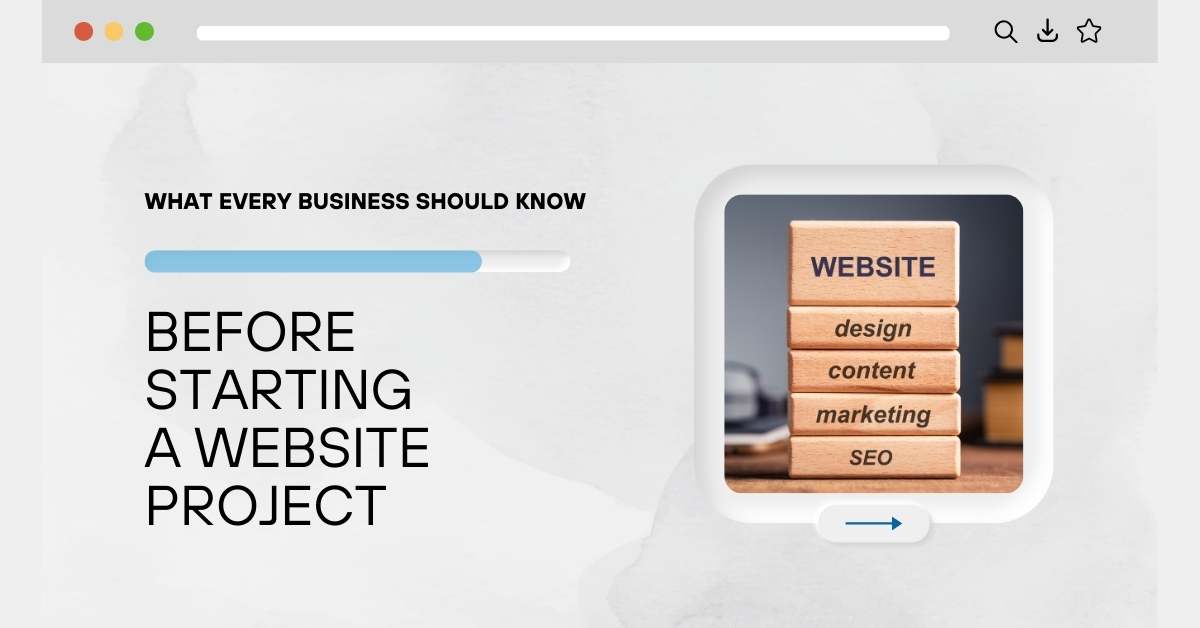
Launching a new website can be an exciting venture for any business, but it’s a process that requires careful planning and strategy to ensure success. Whether you’re building your very first site or revamping an existing one, there are a few critical things to know before diving in. This guide will walk you through the essentials to help your project run smoothly and achieve your goals.
1. Define Your Website’s Purpose
The foundation of a successful website starts with understanding why you need it. Clearly defining your goals will shape the design, content, and functionality of your website. Ask yourself:
- What do I want my website to accomplish? (e.g., generate leads, sell products, showcase services)
- Who is my target audience?
- What specific actions do I want visitors to take on my site?
2. Know Your Budget
Web development costs can vary widely depending on the complexity of the project. Establishing a realistic budget upfront will help you make informed decisions about design, features, and maintenance. Examples of things that can make your website project more complex are things like databases, a custom design, interactive elements, forms, and complex animations. These things can take your website to a whole new level, but it’s important to weigh these options and their costs. Keep in mind that additional expenses like hosting, domain registration, and ongoing updates may also be necessary.
3. Prepare Your Content
Content is the heart of any website. Having your content prepared (or at least outlined) in advance can significantly speed up the development process. On the other hand, there can be a huge benefit to allowing a hired professional to assist with things like photography, SEO, and page content. Before starting the project, consider:
- What pages will your website need? (e.g., Home, About Us, Services, Blog, Contact, Gallery)
- Do you have high-quality images and videos that represent your brand?
- Are you ready to write compelling content that utilizes SEO strategies, or will you need help from a professional copywriter?
4. Choose the Right Platform
There are many platforms available for building websites, from drag-and-drop builders like Wix and Squarespace to customizable options like WordPress, or ones with a built-in storefront like Shopify. Consider factors like ease of use, scalability, features, and the level of customization you’ll need. Your web developer can guide you in selecting the best platform for your goals.
5. Plan for Future Maintenance
A website isn’t a set-it-and-forget-it asset. Regular updates are essential for security, performance, and relevance. Certain types of websites will undoubtedly need constant updating for things like menus, blog articles, or specials, whereas other more static websites may need it less often for things like holiday hours. Depending on how frequently you plan on changing up your website, it could also be beneficial to consider discussing a Content Management System (CMS) with your developer so you can update certain content on your own. Think about:
- Who will handle updates and maintenance?
- How often will you need to refresh content or add new features?
- Will you need a support plan from your developer?
6. Set Realistic Expectations
Web development takes time, and rushing the process can lead to subpar results. Discuss timelines and milestones with your developer so you’re aligned on what to expect at each stage of the project. Remember that quality work is worth the wait.
7. Communication is Key
A successful website project relies on clear communication between you and your developer. Be prepared to:
- Provide feedback promptly.
- Share your ideas and inspirations.
- Ask questions if you’re unsure about any part of the process.
Final Thoughts
Starting a website project is a big step, but with proper preparation, it can be a smooth and rewarding experience. By defining your goals, budgeting wisely, and collaborating closely with your developer, you’ll set the stage for a website that meets your business needs and delights your audience.